
How the Maritime Industry Will Unlock the Value of AI
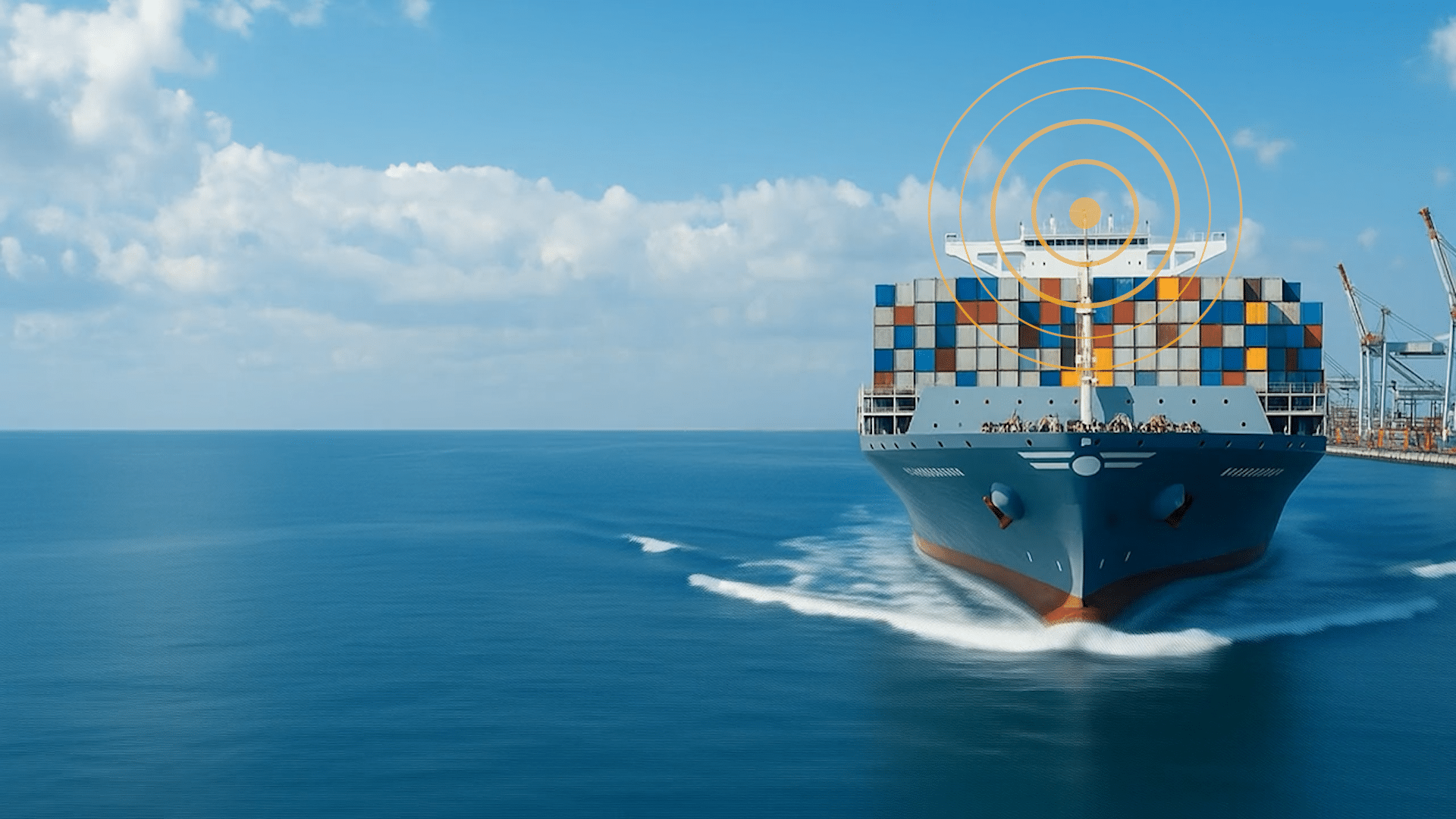
The maritime industry, like many others, has been integrating Artificial Intelligence (AI) into its daily operations in recent years. From mining to aviation, construction to energy sectors, companies are finding ways to leverage AI to enhance efficiency and productivity. However, the maritime industry faces a unique challenge in that its assets operate in remote locations where traditional computing infrastructure is not readily available.
Challenges in Utilizing AI at Sea
A modern cruise ship generates vast amounts of data during a single voyage, including data from cameras, entertainment systems, engine sensors, and navigation feeds. Despite the abundance of data collected, much of it remains unanalyzed. The industry has made strides in developing platforms to transmit data to shore, but the next frontier is processing data onboard to fully harness the power of AI.
Connectivity Revolutionizing Maritime Operations
With over 68,000 commercially operated vessels now using Low Earth Orbit satellite connectivity, the maritime industry has witnessed a connectivity revolution. Cruise lines, ferry operators, and deep-sea fleets have embraced this technology, allowing for faster and more reliable communication with shore. This shift has transformed ships into intelligent systems, paving the way for further advancements in AI technology.
Technological Innovations Driving AI Development at Sea
Several key technologies are poised to support the next level of AI integration in the maritime industry:
– Marine-hardened modular compute systems that can withstand the harsh conditions at sea
– Multi-orbit networks that offer redundant connectivity for safety and reliability
– Sovereign-by-design data architecture to comply with regulations and ensure data security
– Fleet-scale orchestration to manage distributed computing across a fleet of vessels efficiently
Integration Challenges and Solutions
While these technologies exist, integrating them seamlessly poses a significant challenge for many operators. Coordinating different vendors and systems can often lead to delays in implementing shipboard AI programs. However, companies like Orbius are pioneering solutions that unify connectivity and onboard compute into a single managed system, simplifying the deployment process and ensuring operational efficiency.
The Future of AI in the Maritime Industry
Deploying AI infrastructure at sea is a strategic investment that can provide a competitive edge for fleet operators. Vessels that effectively process and analyze data can build valuable operational insights that set them apart from competitors. As the industry continues to evolve, the next decade will separate fleets that fully embrace AI technology from those that lag behind.
In conclusion, the maritime industry’s journey towards AI integration is a pivotal step in enhancing operational efficiency and competitiveness. By leveraging cutting-edge technologies and innovative solutions, companies can unlock the full potential of AI at sea, paving the way for a more intelligent and efficient maritime sector.
